How Vending Machine Software Is Built: From Firmware to Cloud
Vending machine software is four layers: firmware, payments, telemetry, and the cloud platform. Here is how each one actually gets built.


Short version: vending machine software is four layers stacked on each other: the firmware that controls the machine, the payment layer that takes money, the connectivity layer that moves data in and out, and the cloud platform that runs the business. Build all four well and a standalone machine becomes a connected, cashless, remotely managed unit. Here is how each layer actually gets built.
Layer 1: Talking to the machine
The hardest and most overlooked layer is the one that talks to the physical machine. Most vending machines speak a protocol called MDB, short for Multi-Drop Bus, the standard that connects the machine's mainboard to peripherals like coin mechanisms, bill validators, and cashless readers.
To make a machine smart, you put a small computer inside it, a single-board computer like a Raspberry Pi, an Android board, or a custom controller, and have it speak MDB to the machine. That controller becomes the bridge: it reads what is happening, a selection, a vend, a fault, and can trigger actions like authorizing a sale or dispensing a product. On custom or robotic machines, this layer also drives motors, sensors, and dispense logic directly through the firmware.
Get this layer right and everything above it works. Get it wrong and no dashboard will save you.
Layer 2: Taking payment
Once the controller can talk to the machine, it can handle cashless payments. There are two common paths: integrate a dedicated cashless reader over MDB, or connect a payment terminal and run the transaction flow yourself.
Either way, the software handles the real-time loop: a customer taps or scans, the system authorizes the amount, the machine vends, and only then does the sale settle. It also has to handle the messy cases, a declined card, a vend that fails after payment, and spotty connectivity where the machine approves a sale and reconciles later. Card, wallet, QR, and app payments all plug into this same flow, alongside closed-loop options like prepaid and payroll deduct for offices and gyms.
Layer 3: Getting data in and out
A machine on a wall is useless to an operator who cannot see it. The connectivity and telemetry layer gets data off the machine, usually over a cellular IoT SIM or Wi-Fi, and pushes it to the cloud: sales by product and time, stock levels, temperature, and machine health.
This layer also runs in reverse. Over-the-air updates let you change prices, update a planogram, or ship new firmware to a whole fleet without a site visit. Remote diagnostics let you catch a jammed motor or an offline reader before a customer ever sees it. The goal is simple: a driver only visits a machine when there is a real reason to.
Layer 4: The cloud platform
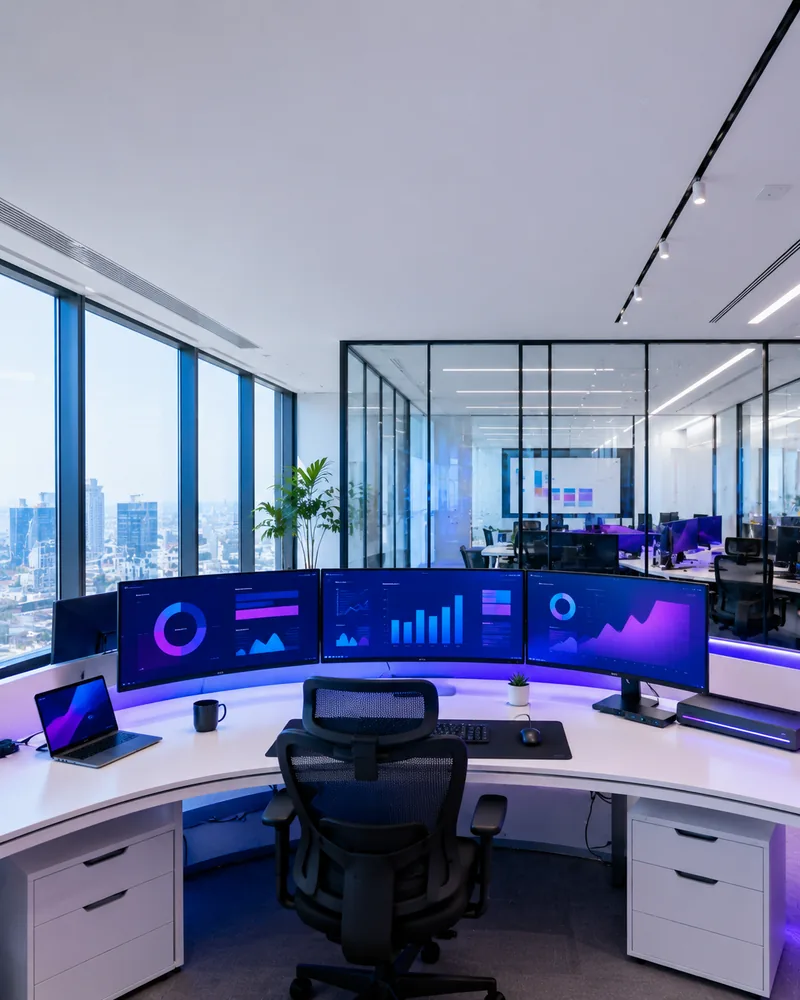
The top layer is the software an operator actually logs into. This is where telemetry becomes a business: a live map of every machine, real-time sales and profit and loss, inventory with low-stock and reorder alerts, route and restock-trip planning, and reporting. For multi-location operators it is multi-tenant, with teams, roles, and per-location commissions.
Built well, this is one platform that turns a fleet of connected machines into something a person can run from a laptop. We have built exactly this; see our vending management platform case study.
The smart-machine layer
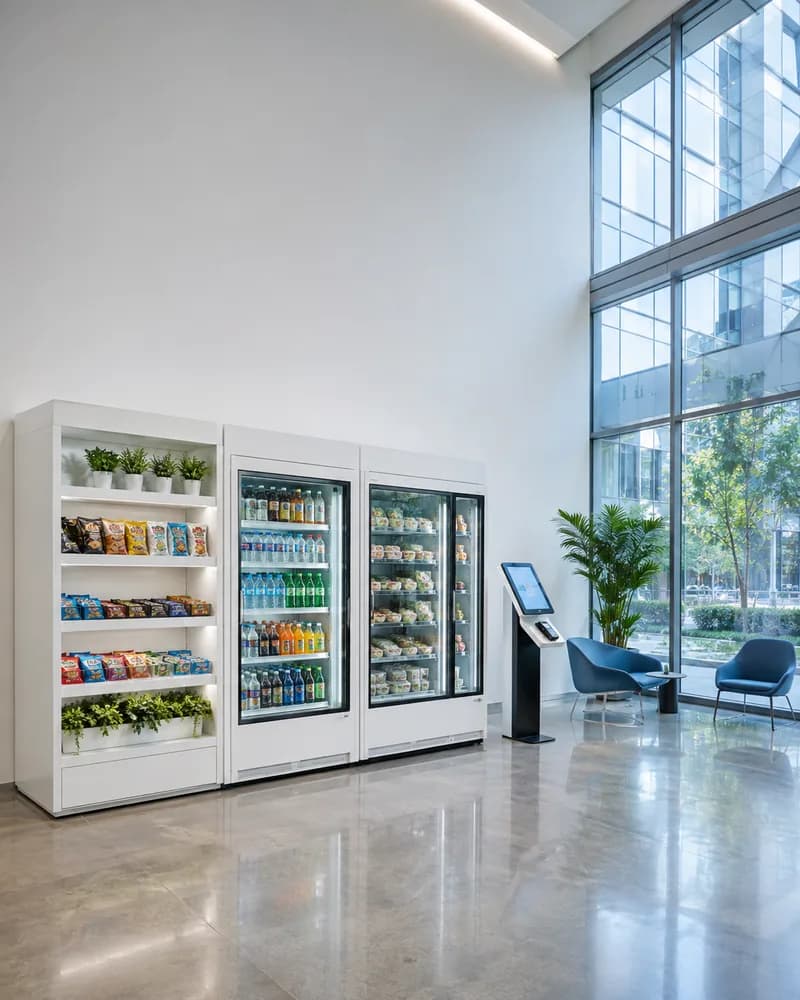
For just-walk-out smart coolers and grab-and-go fridges, there is a fifth piece: product detection. Instead of a customer making a selection, weight sensors and cameras with computer vision detect what they take, and the system charges automatically on door close. This is the most demanding part to build, because it combines hardware, machine learning, and careful accuracy tuning, but it is also what makes the experience feel effortless.
How it comes together
A real build does not do all of this at once. The sensible path is to ship the core first, the controller talking to the machine, cashless payments, and basic monitoring, then layer on telemetry, fleet management, and detection as the product proves out. New machines are built firmware-up; existing machines are retrofitted with a controller and connectivity. Either way, the four layers are the same.
Where RemoteAugment fits
We build vending machine software across all of these layers: firmware and MDB integration, cashless payments, telemetry and over-the-air updates, and the cloud platform on top, for new machines, unusual hardware, and retrofits. If you are building a machine or a vending product, tell us what you have in mind and we will map out the right approach.