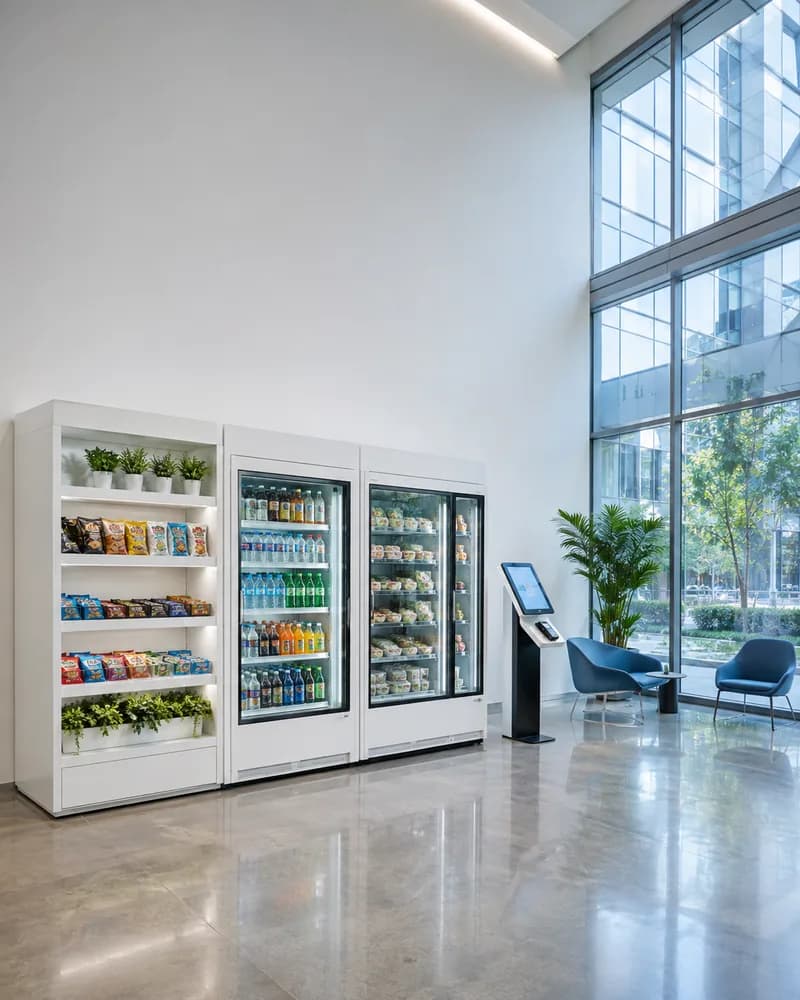
Vending machine retrofit, without replacing the estate.
Bring the machines you already own online.
Most machines in the field are not broken, they are just silent. A retrofit puts a controller or telemetry module on a machine you already own so it reports what it sold and what is left, takes a card, and can be priced and monitored remotely. It is the cheapest route from a fleet you drive around checking to a fleet you can see, and it is usually the step before any platform is worth buying.
What a retrofit can add to an existing machine
Not every machine needs all of this, and not every machine can take all of it. These are the upgrades we fit most often, and we survey the estate before recommending any of them.
Telemetry over the machine's own data port
Most machines already keep an audit record and can report it over DEX or the MDB bus. A module reads that and sends it up, so sales, stock movement, and error codes arrive without anybody opening a door.
- DEX audit polling and parsing
- MDB bus monitoring for live vends
- Cellular or Wi-Fi connectivity per machine
- Error, jam, and door-event reporting
Cashless payment on a machine that only took coins
A card and contactless reader fitted to the existing payment bus, so a machine that turned away anyone without change starts taking the payment most customers now expect. Cash keeps working alongside it.
- Card, contactless, and wallet acceptance
- QR and app payment where a reader is not viable
- Cash and cashless running side by side
- Settlement reconciled per machine
Touchscreen and interface upgrades
Replacing a keypad and a strip of paper labels with a screen, so products, prices, and promotions can be changed centrally and a customer can actually read what is in the machine.
- Touchscreen ordering over the existing controller
- Remote price and planogram updates
- Promotions, bundles, and multi-buy
- Multi-language and accessibility modes
Remote diagnostics and over-the-air updates
The point of a connected machine is fewer visits. Faults are diagnosed from the office, prices and configuration are pushed out rather than driven out, and module software updates itself in the field.
- Remote fault diagnosis before a call-out
- Configuration pushed to the whole estate
- Over-the-air updates to the fitted module
- Connectivity and signal health monitoring
Machines from different manufacturers in one fleet
A mixed estate is the normal case, and it is the reason retrofits get put off. We normalise what each machine reports so a fleet of four makes reads as one fleet rather than four handset apps.
- Normalised data across mixed makes and models
- Per-model survey and fitting notes
- One product catalogue across the estate
- Machines that cannot report managed manually
Pilot first, then roll out
We fit a small number of machines, prove the data coming back is correct against a manual count, and only then work through the estate. A retrofit that reports confidently wrong numbers is worse than no telemetry at all.
- Pilot fit on a representative sample
- Data validated against manual counts
- Fitting guide for your own engineers
- Phased rollout across sites
A single control room for a distributed vending estate
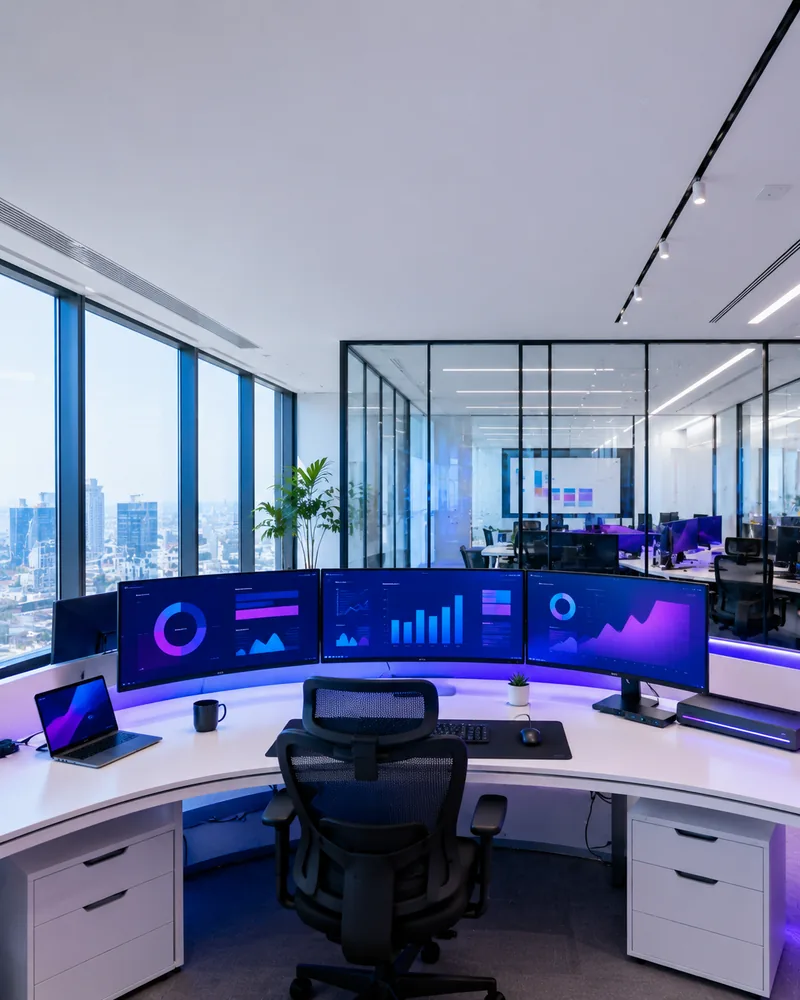
A management platform rather than a retrofit, and it is here because it is where a retrofit points: once machines report, this is the kind of system that turns their data into a live machine map, real-time sales and profit and loss, low-stock alerts, and planned restock trips.
Read the case study- 01Live machine map and telemetry
- 02Real-time sales and profit and loss
- 03Inventory and low stock alerts
How the work runs
Tell us what you need
A short written brief is enough to start: what you are building, the stack it has to live in, and the problem behind it. Someone technical reads it, not a sales rep.
passed when we reply with questions and a proposed shape
Scope and quote
We agree what the first release contains and what it costs before anything is built. Anything we cannot estimate honestly gets scoped on its own rather than padded into the total.
passed when the scope and the quote are agreed
Build in the open
Working software arrives in increments, in your repository, with our commits visible from the first week. Progress is something you can open and run, not a status report.
passed when a real user is doing a real job in it
Iterate, then hand over
What the first release teaches sets the priority for the next one. When you want it in house, documentation and a handover period are part of the engagement rather than an extra.
passed when your team can run it without us
How pricing works
Fixed price per milestone
You approve each milestone and its price before it starts, so the cost is known before the work is rather than after. Milestones are sized to be worth reviewing on their own.
Monthly rate for a dedicated team
A set team at a set monthly cost, with notice rather than a minimum term. Priorities move between sprints without renegotiating anything.
Scoping first, quote after
We work out what it should be with you before quoting it. There is no charge for that conversation and no obligation to go ahead.
Frequently asked questions
What you get, machine to dashboard
Every build ships end to end, from first scope to live deployment and ongoing support.