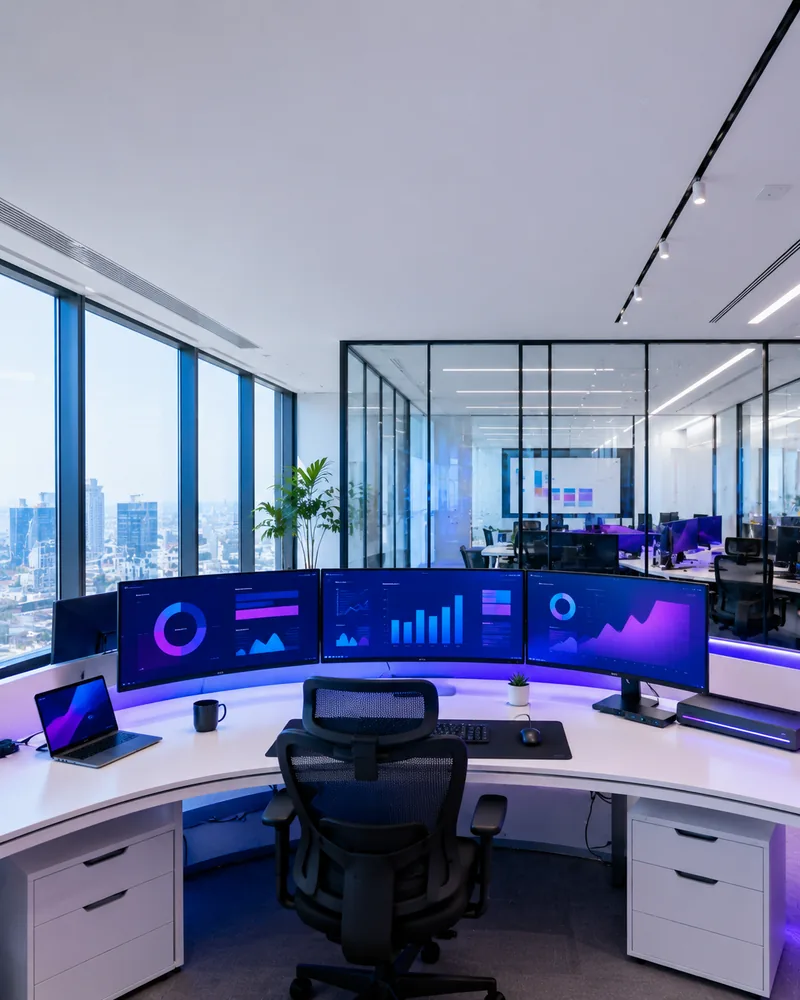
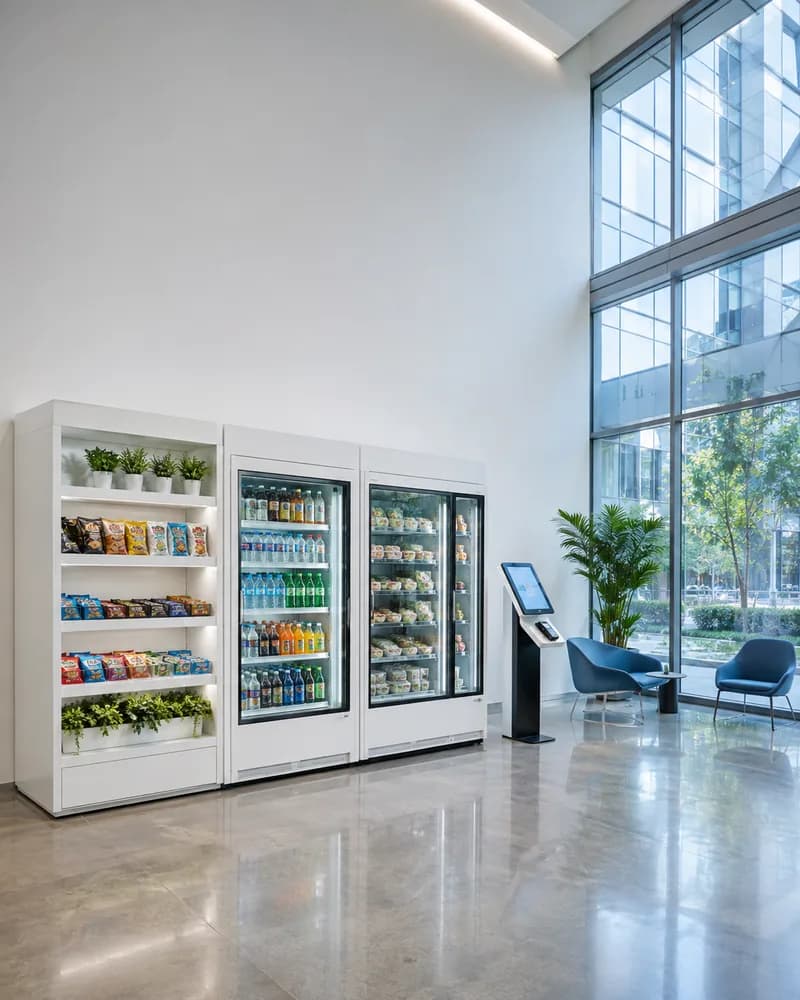
Campus software for buildings that never really close.
Service at eleven at night, with nobody on the desk.
A campus runs long after the offices in it shut, and most of what students need at that hour is a transaction nobody needs to be present for: food from a machine, a laptop signed out of a locker, a form submitted, an approval moved along. We build that layer, and the systems behind it that stop the same information being entered twice.
What campuses ask us to build
These are the jobs that come up most, phrased the way people describe them to us rather than the way we bill them. Each one links through to the solution that does it.
Selling food and supplies after the shop has shut
Connected vending across the estate, with live stock per machine, low-stock alerts, and the sales figures per building rather than per visit. Somebody finds out a machine is empty from a dashboard, not from a complaint.
vending machine softwareHanding out kit and taking it back without a counter
Laptops, cameras, lab equipment, and returns through lockers: the student books it, gets a code, and the log records which door opened and who opened it. Lending stops depending on the store being staffed at the moment somebody needs it.
smart locker softwareEnrolment forms typed in from paper
Document processing that reads whatever arrives, scanned, photographed, or uploaded, pulls out the fields, checks them, and flags what does not look right instead of putting the whole pile in front of a person.
AI systems and agentsA queue at the desk for something the system already knows
Service kiosks that answer the routine ask: timetables, room finding, balances, printing, ID collection. The people still at the desk are the ones with a question worth a person.
self-service kiosk softwareAn approval chased through email for a week
The routing automated, so a request goes to whoever has to sign it, chases itself, and lands back where it started with a record of who agreed to what. Nobody has to remember to follow up.
workflow automationStudent records here, timetables there, payments somewhere else
One platform over the top, or the integrations between what you already run, so a change made once shows up everywhere rather than in whichever system the person happened to open.
custom software and platforms
Regulated & Public
A single control room for a distributed vending estate
A commercial vending build rather than a campus one, and it is here because the estate problem is identical: machines in buildings nobody staffs, run from one dashboard, with live status per unit, stock and low-stock alerts, restock trips planned on what actually sold, and the revenue reporting underneath. Designed and shipped by us end to end.
Read the case study- 01Live machine map and telemetry
- 02Real-time sales and profit and loss
- 03Inventory and low stock alerts
How the work runs
Tell us what you need
A short written brief is enough to start: what you are building, the stack it has to live in, and the problem behind it. Someone technical reads it, not a sales rep.
passed when we reply with questions and a proposed shape
Scope and quote
We agree what the first release contains and what it costs before anything is built. Anything we cannot estimate honestly gets scoped on its own rather than padded into the total.
passed when the scope and the quote are agreed
Build in the open
Working software arrives in increments, in your repository, with our commits visible from the first week. Progress is something you can open and run, not a status report.
passed when a real user is doing a real job in it
Iterate, then hand over
What the first release teaches sets the priority for the next one. When you want it in house, documentation and a handover period are part of the engagement rather than an extra.
passed when your team can run it without us
How pricing works
Fixed price per milestone
You approve each milestone and its price before it starts, so the cost is known before the work is rather than after. Milestones are sized to be worth reviewing on their own.
Monthly rate for a dedicated team
A set team at a set monthly cost, with notice rather than a minimum term. Priorities move between sprints without renegotiating anything.
Scoping first, quote after
We work out what it should be with you before quoting it. There is no charge for that conversation and no obligation to go ahead.
Frequently asked questions
What we handle on campus
The parts of a campus operation we build software for, whether that is one building or an estate spread across a city.